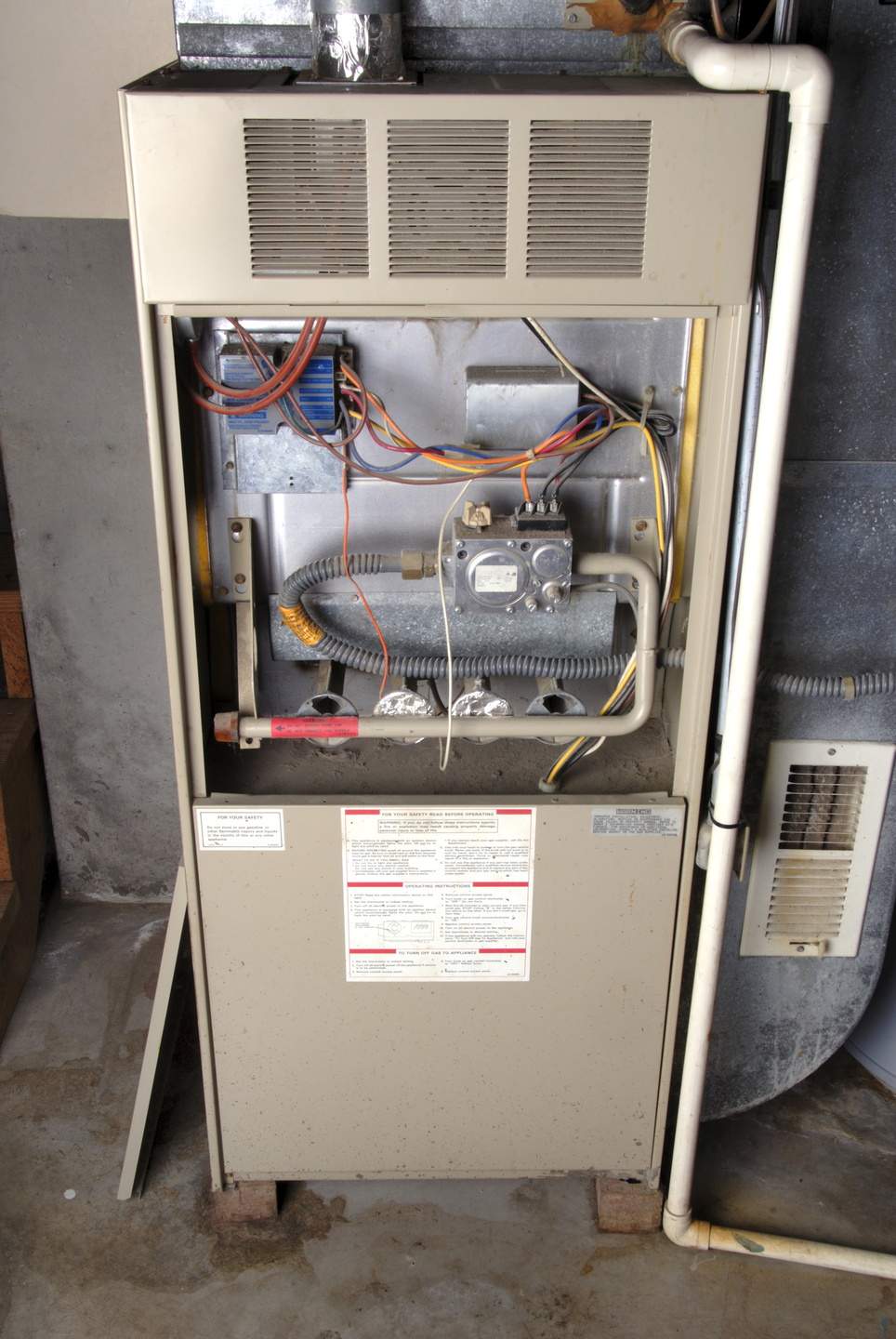
When your furnace is having problems operating, it may be showing signs of strain. Being able to identify these problems early is the best way to stay ahead of them and prevent a total furnace breakdown or lasting damage. Just give us a call when your furnace won’t turn on in Crystal Lake.
We can visit your home for a service appointment and get down to the root of the problem. Keep reading to learn everything you need to know about the signs of furnace problems so you can get them fixed sooner rather than later. For more urgent situations, here’s everything about emergency furnace repair services.
When should you install a new furnace instead of repairing the old one?
- Age & efficiency drop – if your furnace is over 15–20 years old and running inefficiently, replacement often makes more sense than repair.
- Repeated repair costs – if you’re paying for frequent fixes (ignition failures, blower issues, burner problems), a new unit can be more economical long term.
- Inadequate heating despite repairs – if repairs still can’t restore proper heat output, a new furnace may be needed.
- Safety & reliability concerns – persistent malfunctions, carbon monoxide risk, or breakdowns during cold seasons justify a new installation.
- Modern features & warranty benefits – a new gas furnace or high‑efficiency model often comes with better warranties, lower energy costs, and improved controls.
Heat Generation Problems
One of the most obvious problems with a furnace is that it is not producing heat. There are a number of reasons for this to happen. First, your furnace may be having issues with either the ignition or the burners, depending on whether your system is gas powered or electric.
The system may still turn on and blow air, but without the air heating up it will be normal room temperature. And in the winter that can mean you are very cold, especially when temperatures outside are at their lowest. It is also possible that the blower motor is broken and not pushing heat out into your home. If this happens, you may hold your hand up to an air vent and not feel any airflow at all.
One of the other common possibilities is that your ductwork is damaged enough that hot air is escaping before ever being able to reach your home. In this case, you may hold your hand up to an air vent and feel some airflow, but not enough to increase your indoor air temperature so that it makes a positive difference.
Airflow Obstructions
Let’s go into a little more detail about those airflow problems. If you have air vents closed in certain rooms in an attempt to move air to other areas of your home, you may be causing blockages that are negatively impacting airflow. Make sure that all of the vents around your home are open. For more insight into airflow issues, read what weak airflow means for furnaces.
Noticing poor airflow in a single room or section of your home is most likely attributable to damaged ductwork in those particular areas. If poor airflow is negatively impacting your home at large, it’s more likely that your heater itself is to blame. Feeling heat but weak airflow overall is usually a problem with the blower motor.
Thermostat Issues
Sometimes it isn’t even your furnace at all that’s the problem. Instead, your thermostat may be malfunctioning. This is especially common in older and outdated thermostats that are not Wi-Fi enabled. But no matter what type of thermostat you have, it’s possible for it to get dirty or lack a battery charge. To prevent more serious complications, check out how to keep your furnace safe and learn proactive steps for maintaining your system.
Our team can clean out your thermostat, try to recalibrate it if the signal is off and also change out the batteries to get it working again. The worst case scenario is that we have to replace it with a more modern thermostat, which will offer a variety of additional benefits.
Frequently Asked Questions
Question: What does it mean when my furnace runs but doesn’t produce heat?
Answer: This often indicates problems with ignition, burners, a failed blower motor, or hot air leaking through damaged ductwork before it reaches rooms.
Question: Why is my home’s airflow weak or uneven?
Answer: Weak or uneven airflow may result from closed vents, damaged ducts, or blower issues causing some rooms to be cooler or airflow to be insufficient overall.
Question: Could a thermostat be causing my furnace problems?
Answer: Yes. A thermostat that’s dirty, miscalibrated, low on battery, or has wiring problems might prevent the furnace from getting proper signals to turn on or adjust settings.
Question: What should I check first when my furnace isn’t working right?
Answer: Start with the thermostat (mode, batteries), ensure vents are open, check for obvious duct damage, and listen for strange blower sounds. If problems persist, professional service is recommended.
Contact Althoff Home Services today to schedule an appointment with our professionals. Chicago’s Choice Since 1961. Hand It Off to Althoff!